

The Hormuz Hypothesis – What If the U.S. Navy Isn’t in a Hurry to Reopen the Strait?
By Captain John Konrad (Opinion) – The Strait of Hormuz is twenty-one miles wide. Two shipping channels, each two miles across, separated by a two-mile buffer. There is no alternative....
 gcaptain.com
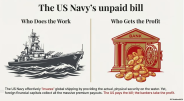
The United States now controls the on/off switch for the Strait of Hormuz. Not through naval firepower. Through insurance.
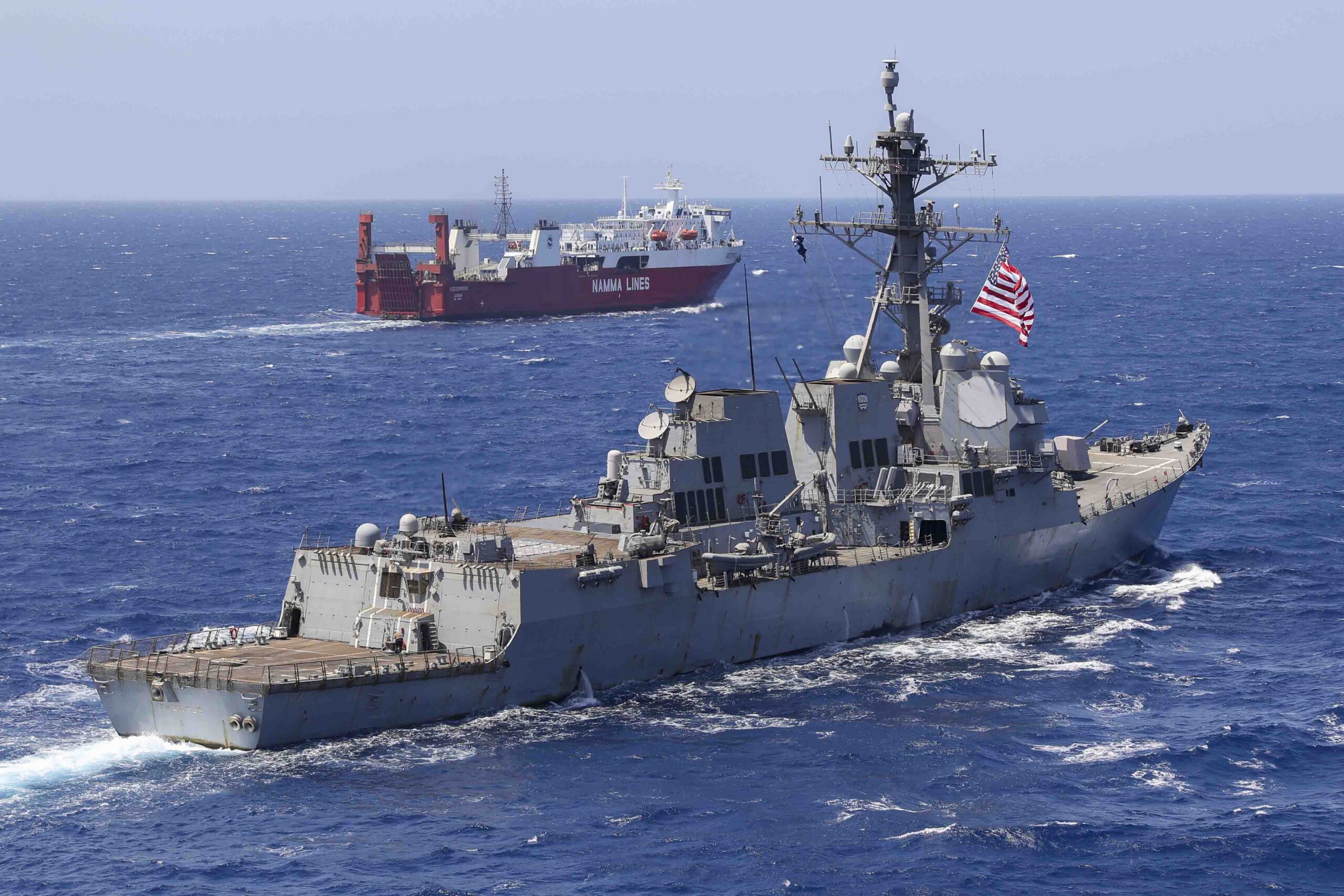
Read the latest MARAD advisory carefully: U.S.-flagged, owned, or crewed commercial vessels operating in these areas should maintain a minimum standoff of 30 nautical miles from U.S. military vessels.
And read this part of the DFC announcement again… “coordinated with US Central Command.”
They cannot pass without the Navy permission.
Now their energy supply runs through an insurance facility controlled by Washington.
“Let their navies figure it out.” Except everyone knows they cannot. European naval forces are too small, too slow, and too poorly equipped for sustained convoy escort operations through a contested strait. All the European navies combined could not send more than three ships at a time to defend the Red Sea. An entire German task force sailed around Africa to avoid it.
Eventually Europe will have to capitulate to get the U.S. Navy, and the U.S. insurance backstop, to fully reopen the Strait.
What does “capitulate” look like? The IMO carbon tax. Greenland. Tariff concessions. The SHIPS Act. Every maritime policy priority that Europe and China have been blocking for the past year.
Too bad Canada doesn’t have new pipelines. Prices could get very expensive, especially where people vote Liberal.The real threat is not $200 oil. It’s a fracture of the system. It is cheap energy in export nations and ruinous energy costs in places far from reserves. It’s $2 oil in the Persain Gulf, $20 dollar oil in the Gulf of America and $2,000 oil in the UK.
One global price only works if there is a surplus of tankers to arbitrage differentials. Before the Iran strikes, that surplus was razor-thin. Now, with supertankers stuck in the Gulf, it is gone.
Brent is at $106 today. WTI is under $100. Domestically, diesel is stabilizing and natural gas prices are falling as LNG that would normally be exported stays trapped at home. Trump issued a 60-day Jones Act waiver and opened Venezuelan oil sales to U.S. companies via a new Treasury license for PDVSA. These are exactly the moves you make if you are trying to drive U.S. prices down while the global market fractures.
Upvote
6